

Buying Off-Plan Property in Kenya
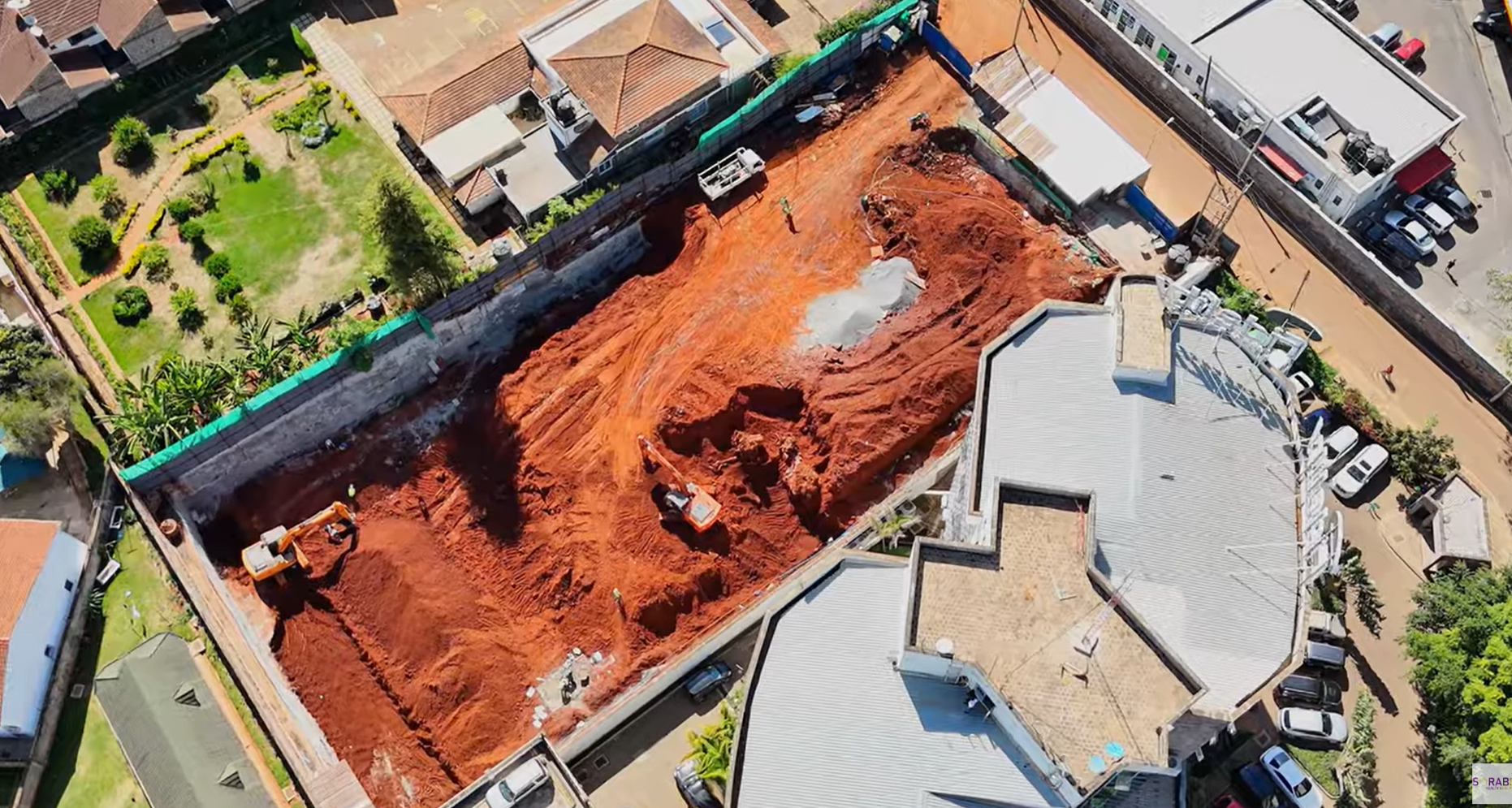
Thinking of Buying Off-plan property in Kenya? Let us start by defining what it means to buy off-plan. This is buying a property in the inception stage, it could be in the ground breaking stage or in the very early stages of construction.
In Kenya, buyers embrace it because prices are usually lower with flexible payment plans and the property may appreciate before completion.
But Off-plan can be risky. It becomes a smart investment when buyers conducts extensive due-diligence, and an expensive mistake when buyers only trust renders, brochures and payment plans.
Advantages Of Buying Off Plan
- According to reports, off-plan units are 10-30% cheaper than completed properties. They also sell at today’s market prices with potential for appreciation over the construction period.
- Most developers require only 10-30% deposit and the balance is spread over the duration of projected completion. You can get up to 3years to raise funds while paying gradually instead of full upfront payment.
- Early buyer get to choose the unit they prefer, the floor and location before others. Buyers can also customize and modify the layouts and request a bigger bedroom or a smaller living room. You can also select finishing materials to suit your specifications.
- Opens up investors to enter a well-planned development in high demand locations like Kilimani or Westlands with the potential of delivering high rental income when completed, before prices skyrocket.
- Buying off-plan gets you a property with modern finishes and lower maintenance costs, since the property is brand new and has not had any previous tenants.
- Growing urban areas like Kilimani, or Kileleshwa have a strong rental demand, with the potential of delivering high rental income when completed.
Where off-plan could go wrong
Off-plan goes wrong when what was promised is not what gets delivered. These are the major risks to watch out for and manage.
Quality Delivery Risk
The developer can make or break an off-plan project. Before paying, check what they have built before, how long they took and whether previous buyers were satisfied.
Red flags include fake approvals, double-selling units, missing land documents, and collecting deposits without delivery.
How to manage developer risk
- Physically visit past projects to assess quality and delivery timelines.
- Talk to previous buyers about their experience with the developer, and if there were complaints about delays, quality or unfulfilled promises.
- Search if the developer has ongoing cases in court and if the cases are related to construction disputes or fraud.
- Verify that the project team members; the architect, engineers and contractors are registered professionals and are experienced to reduce risk.

Land and Title Risk
Land risk is one of the most serious risks because, if the land the property is being built on is not secure, the buyers can lose their investment.
What could go wrong
If the land is not registered in the developer’s name, the developer can’t sell the units legally.
Buyers may deal with land disputes. If multiple parties claim ownership of the same land, usually due to family disputes or double sales, this can leave buyers with no legal rights to the property.
The land could have restrictions, legal claims, warnings, unpaid loans, court cases, or existing mortgages that have not been disclosed to buyers.
How to manage these risks
- Title search- Buyers should conduct an official land registry search using the title deed number. This helps the buyer confirm the registered owner of the land, the land size and any restrictions or burdens that may hinder sale of the property.
- You cannot conduct a title search without a title deed number, given by the seller. If the seller refuses to give the title number that is a major red flag.
- Verify the seller, obtain their national ID and KRA PIN. The name should match the registered owner on the title deed.
- Hire a lawyer to review legal documents, conduct searches and verify that the title deed is free to be sold before signing.
Approval Risk
In Kenya, building without proper approvals is not only illegal but also risky for an off plan buyer. A project that does not have legal permits for construction can be stopped and left incomplete or demolished, leaving buyers at a loss.
What to look out for:
A developer building without the required approvals and permits from The County Government, National Construction Authority and National Environmental Management Authority.
Developments in protected areas, wetlands or on riparian land without environmental clearance, may violate zoning regulations.
How to manage the risk
- Verify that the project has a county government building permit that is current and valid for the specific project location. The building plans should be stamped by county authorities.
- Confirm that the developer is registered with the National Construction Authority and that the contractor has an NCA grade on the NCA portal.
- Verify that the project has an environmental impact assessment license from NEMA. This is mandatory for most developments and confirms environmental compliance.
- NOTE: Developments usually have a sign at the entrance of the construction site displaying all the necessary approvals and project details.
Finance Risk
Some projects fail because the developer runs out of money. Check how the project is funded and whether construction depends too heavily on buyer deposits
What to look out for:
A developer with a poor funding model starts the project without enough capital and relies on selling units to fund the construction. They may run out of cash mid-construction and is unable to pay contractors or purchase materials which leaves the project half-finished sometimes even for years.
How to manage financial risk
- To manage the risk verify that the developer has the financial capacity to complete the project by:
- Requesting proof of financing, like audited financial statements. Shows that the project has enough capital to complete the development.
- Confirming the project has secured financing or a construction loan. If the bank has approved that signals less risk, since the bank trusts the developer.
- Tying payments to actual progress of the development.
- Verifying that the developer has invested a significant amount of their own money to the project. When a developer’s money is also at risk, they are less likely to abandon it.
Delivery Risk
The final property may not match what was promised. Ensure that the timelines, unit size, layout, finishes, amenities, and penalties for delays are be clearly written in the agreement
What could go wrong
Some delay in project completion may happen but delays of more than several months or completion pushed back by years, is something to watch out for. Some projects never finish at all, leaving buyers stuck in contracts with no property and no refunds.
A developer may also change finishing materials and downgrade without consent and you end up with a property that looks completely different from what you were promised.
Final apartment sizes may be smaller than the ones shown and paid for, or specific features reduced in size, like a smaller balcony.
How to Manage the risk
- Ensure the developer has a clear completion date with a realistic schedule. Contract should also include penalty clauses for delays and refunds if delays exceed a couple of years.
- Buyers purchasing off plan should conduct regular site visits during construction to verify progress matches with the timeline.

Investment Risk
A completed project is not automatically a good investment. Check the rental demand in the area, resale value, competing supply, expected yield, and whether the price makes sense in that market.
What to look out for:
Weak rental demand in the area and oversupply of similar units in the area may lead to your property sitting empty for months.
Depreciation of the property. Buyers may have a problem selling the property at a profit, especially if the location has not appreciated as expected, forcing buyers to sell at a loss.
Rental yield of the area could be low. A property that was priced highly but rents at a low price because of the location, leads to low rental yield
How to manage the risk
- Check vacancy rates and rental prices in the area. Ensure that the location is close to a mall, school, or a shopping centre which usually attracts tenant demand.
- Research prices of completed units, compare what similar apartments are selling for to avoid overpaying for property, which leads to selling the property at a loss or renting it out and gaining low yields.
- Check how quickly similar units sell. You can use online property listings pages to see how long similar units stay on the market.
- Know how many similar projects are under construction or are planned nearby.
- Calculate realistic yields and choose areas with strong infrastructure.
Off-plan is not the problem. Buying without proper guidance and research is the problem.
It can be a smart investment when the developer is credible, the land is clean, approvals have been granted, funding is reliable and the market demand is strong. It becomes an expensive mistake when buyers focus only on the low deposit and ignore the risks behind the project.
At Sarabi, we help buyers look beyond the brochure, the payment plan and the promise, so that you can understand exactly what you are investing in before you commit.