

The Due Diligence Checklist Every Property Buyer Needs
A property can seem perfect on the outside but may have significant hidden risks. Due diligence involves checking the seller, land and title, construction approvals, legal contract, finances and market value before you invest your money.
Who are you buying from?
The easiest way to evaluate a developer is to look at what they have already delivered.
Before buying property, some people don’t ask the important questions. Who is the developer and do they have past projects? How many years have they been in business? Understanding the developer’s history gives you a better understanding of what to expect. In past projects, did he honor the timeline of completion?
Due diligence involves checking if the developer is a stable company and who are its owners. Ensure you involve reputable Realtors like Sarabi Realty Group to gauge the reputation of the developer. It is extremely important that you check if the developer has pending cases and legal issues in court.
Buyers should also look at the senior project team behind the project. Are the architect, engineer and contractor registered professionals? Do they have a good track record? The general contractor is a very important player in a project, they are responsible for construction, so ensuring they have no outstanding legal issues or court cases is smart. If a contractor’s past projects had issues or defects, or were not delivered on time, the chances of that same thing happening to this other project is high.

Land & title due diligence
Land due diligence ensures that the land is legitimate, legally owned by the seller and free of disputes.
These are the steps to take when conducting land and title due diligence.
- Site visit- physically inspecting the land is the first step. In case you are not in the area, send someone you trust to do the site visit on your behalf.
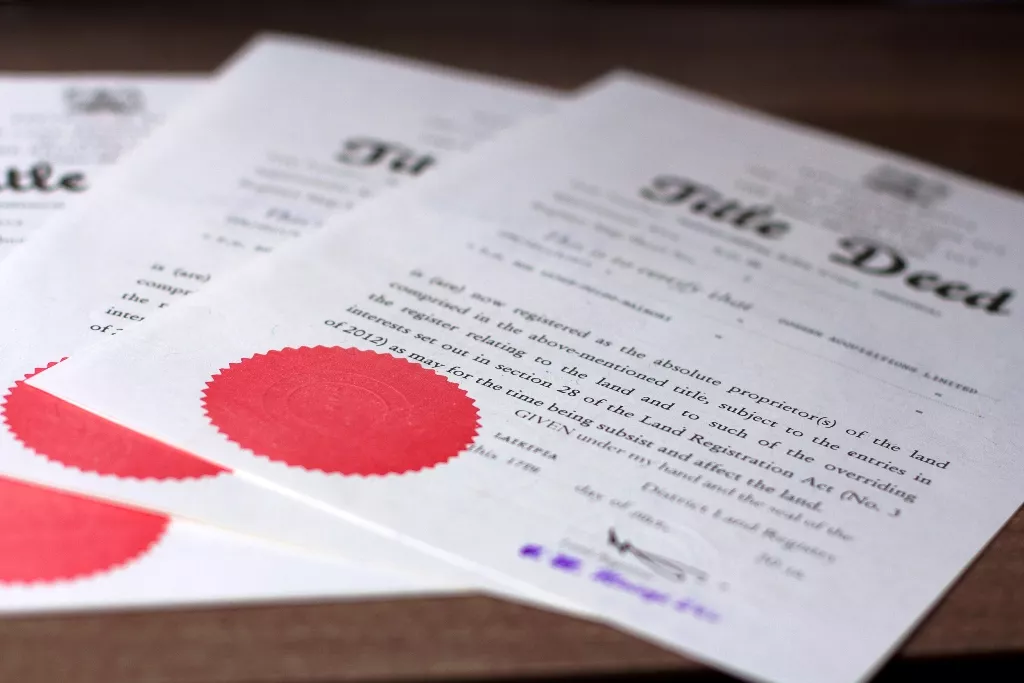
Ensure you have a copy of the title deed, ID and KRA PIN of the seller and that the name on the ID matches the name on the title deed. Also check whether county land rates have been cleared, and if they have a land rent certificate.
Another important thing you should not ignore is zoning regulations. Some areas have strict regulations. For example areas near airports have regulations on height of projects, and very residential areas have regulations on apartment buildings as well. For ready properties, verify utilities as well, ensure there are no outstanding bills you’ll inherit.
- Conduct an official land search, you can use ArdhiSasa online platform or visit the land registry physically. The land registry’s database will show you the name of the owner of the land, which should match the seller’s name. It shows whether the property has mortgages, charges, caveats, or cautions, and may also show the lease duration, if needed. It also informs on the specific location of the property. This is an ordinary search which is a standard verification before purchase.
You can also conduct a green card search which includes the ordinary search and the entire ownership history of that land if you want full history from first allocation.
How to do an online search via ArdhiSasa
- Log in to e-citizen to the ministry of lands and then to ArdhiSasa.
- Enter title deed number given by the seller, and scope whether green card search or ordinary.
- Pay fee (500-2500)
- Get report in hours or days
Title deed red flags to keep your eye on
- Mismatched owner name and seller name risks fraud or impersonation.
- Charges, limitations or anything that could hinder transfer
- Unpaid rates / rent, could cause transfer to be blocked, or you end up paying the arrears
- Short lease remaining on land which means you cannot develop the land long-term.
- Project is on riparian land, wetland or forest risks government reclamation, unstable soils and flooding.
Legal and contract due diligence
Legal due diligence confirms that the agreement is enforceable, the transfer process is clear, and the buyer’s interests are protected under Kenyan law.
Legal documents to review
Service / Sale agreement – ensure you check the parties listed, property description, the price and payment terms, completion timeline and service charges. Are there guarantees or protections if the project is delayed? What happens if the developer delays or fails to deliver? This should also be included in the sale agreement for off-plan.
Red flags to watch out for in a service agreement include vague property specifications, one-sided penalties or missing warranties.
Also ensure legal compliance, transfers are registered at the land registry and stamp duty is paid to Kenya Revenue Authority.
Do not rely on verbal promises, brochures, or WhatsApp messages. If the promise matters, it should appear in the agreement.
Financial Due-diligence
Before buying off-plan, don’t just look at the building design. Financial due diligence means asking: Can this developer afford to finish what they are selling? A developer may have attractive property plans, a nice show house, and a flexible payment plan, but that does not guarantee they have enough money to complete the construction. Buyers should ask how the project is actually being funded. If construction depends too heavily on buyer deposits, the project can slow down. This is risky, as a slowdown in sales can lead to a slowdown in construction. Ask for financial documents such as audited statements on the project’s financial status and financing model.
What buyers should check?
1. Does the developer have their own money in the project? A serious developer should not rely solely on buyers’ deposits. They should have some of their own funds invested.
2. Has the developer secured bank financing? Ask if the project has approved financing from a bank or financial institution.
3. Are buyer payments tied to construction progress? This is very important. You should not pay large sums just because the developer requests it. Your payments should follow construction progress.
These checks help prevent situations where your investment gets stuck in an unfinished project.
Construction Approval Due Diligence
The purpose of construction due diligence is to confirm that the project has all legal permissions to build and that the construction follows quality and safety standards.
This helps buyers avoid stop-work orders, demolitions, or legal issues after handover.
Required approvals checklist:
- Nairobi County Government gives a building permit to approve architectural and structural plans. A change of user approval is issued as well, when the approved use of land changes. For example from residential to commercial or from single-dwelling to apartments.
- National Construction Authority registers project and issues a project registration certificate. The authority also issues NCA grades which rate every registered contractor in Kenya on a scale of 1-8. The grade tells you how big and complex a project that contractor is legally allowed to build.
- The National Environment Management Authority issues environmental approvals where required. These checks help assess the project’s environmental impact and flag risks such as riparian land, wetlands, poor drainage, or unsuitable land use.
Red flags in construction due diligence
- No visible approvals on site may indicate risks of demolition since the construction may be illegal. Approvals are mounted at the site and you can check during your physical site visit.
- A low contractor NCA grade or unapproved plans may lead to fines and work stoppages.

Market and Investment due diligence
Market due diligence assesses whether the property offers strong returns, aligns with market trends and matches goals. You determine what your goal is, whether it is rental yield, capital appreciation, or resale value and assess whether the project satisfies your investment needs.
Investment Checklist
- Location demand: Demand in an area is usually dependent on the infrastructure in the area, the schools and malls around the location. How secure is the location? Are the streets safe? How accessible is the property? How far is it from the highway or city centre? Can it be accessed by public transport?
- Rental yields – Rental yield is calculated by dividing the projected annual rent by the purchase price. Compare rental prices, resale prices, and recent sale transactions in the same neighborhood. This will give you the information that you need.
- Absorption rate shows how fast units are selling. If many units remain unsold for a long time, it may mean demand is weaker than the marketing suggests.
A buyer should not only ask whether the area is popular. They should ask who will rent or buy the property later, what similar properties are renting or selling for, how many competing units are available, and whether the projected returns are realistic.
Due diligence is not about being hard or scared. It’s about safeguarding your money before you make a commitment. A good buyer doesn’t just look at the property; they also check who is selling it, if the title is clear, if the project has approval, if the contract offers them protection, if the developer can finish the project, and if the price fits the market.