
What Does Your Service Charge Actually Cover?
So you found an apartment you like. The listing says Ksh. 8,000 service charge per month. You nod, write it down, move on. Then you move in and you realize you have no idea what that number is for or whether anyone is actually spending it properly.
This comes up a lot. Buyers focus so much on purchase price and mortgage rates that service charge becomes an afterthought. It should not be, because in a premium Nairobi development it can add up to more than Ksh 50,000 a year on top of everything else.
In this article we will discuss, what the charge is actually for, roughly what it costs to run a building and what to check before you hand over your money every month.
What Does It Not Cover?
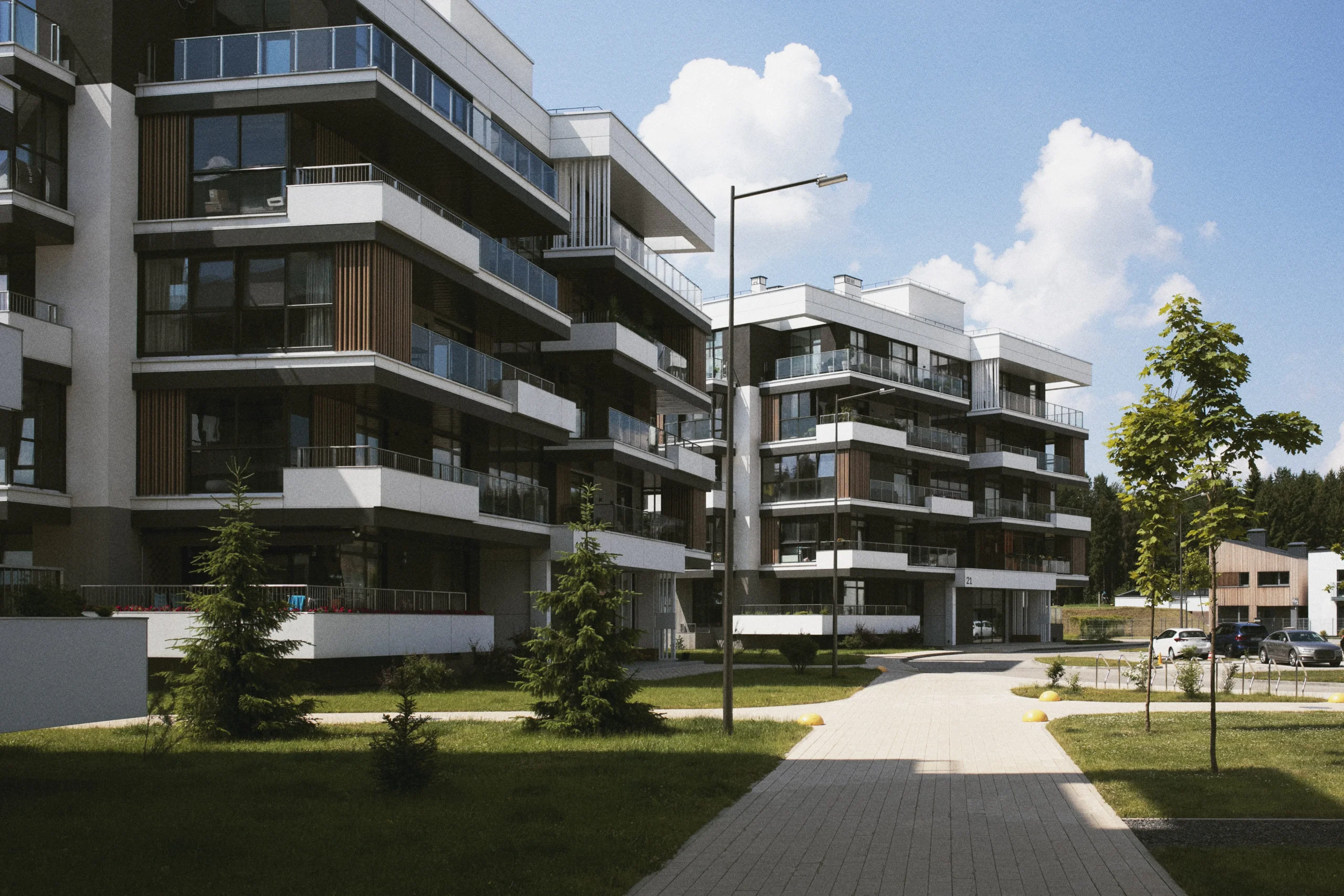
Your service charge does not cover your personal electricity, your water bill inside the unit, or anything within your four walls. Those are your responsibility. The service charge is a shared fund for everything outside your front door. The lobby, the parking, the guards, the backup generator, the lifts, the gym if there is one. All of it runs on this fund.
What it actually goes toward
Security
This is of the major costs in most Nairobi estates and the one that has driven charges up the most over the last decade. A professional security firm running 24 hour shifts, CCTV, access control, electric fence maintenance, the monthly bill for that is not little. Estates using firms like G4S or SGA are paying significantly more per month than estates using cheaper unlicensed guards. That cost gets split across all units.
Generator
Then there is the generator. This one surprises people. When Kenya Power goes out and the generator kicks in, it runs on diesel. For a large block in a neighborhood with frequent outages, the monthly diesel bill alone can run into hundreds of thousands of shillings for the whole building.
Your share of that, per unit, sits somewhere between Ksh 2,000 and Ksh 8,000 a month depending on how often the power goes out and how many floors the generator is covering. A client was choosing between two apartments in Kilimani, same neighborhood, similar finishes, service charges that were not too far apart, but one was higher.
One had a full back up generator, the other didn’t. In the first apartment when the power went out nothing changed. Lights on, lift running, air conditioning going. Full generator backup means every unit, every floor, every socket switches over within seconds of Kenya Power failing. You would not know the grid had gone down.
The second apartment was different. The generator covered the hallways, the lift, the parking, the lobby. But inside the unit there was no power. Dark apartment, dead sockets, no air conditioning. The building had a generator, but it only covers the common areas.
Full generator backup covering every unit costs more to run.
Lift Maintenance
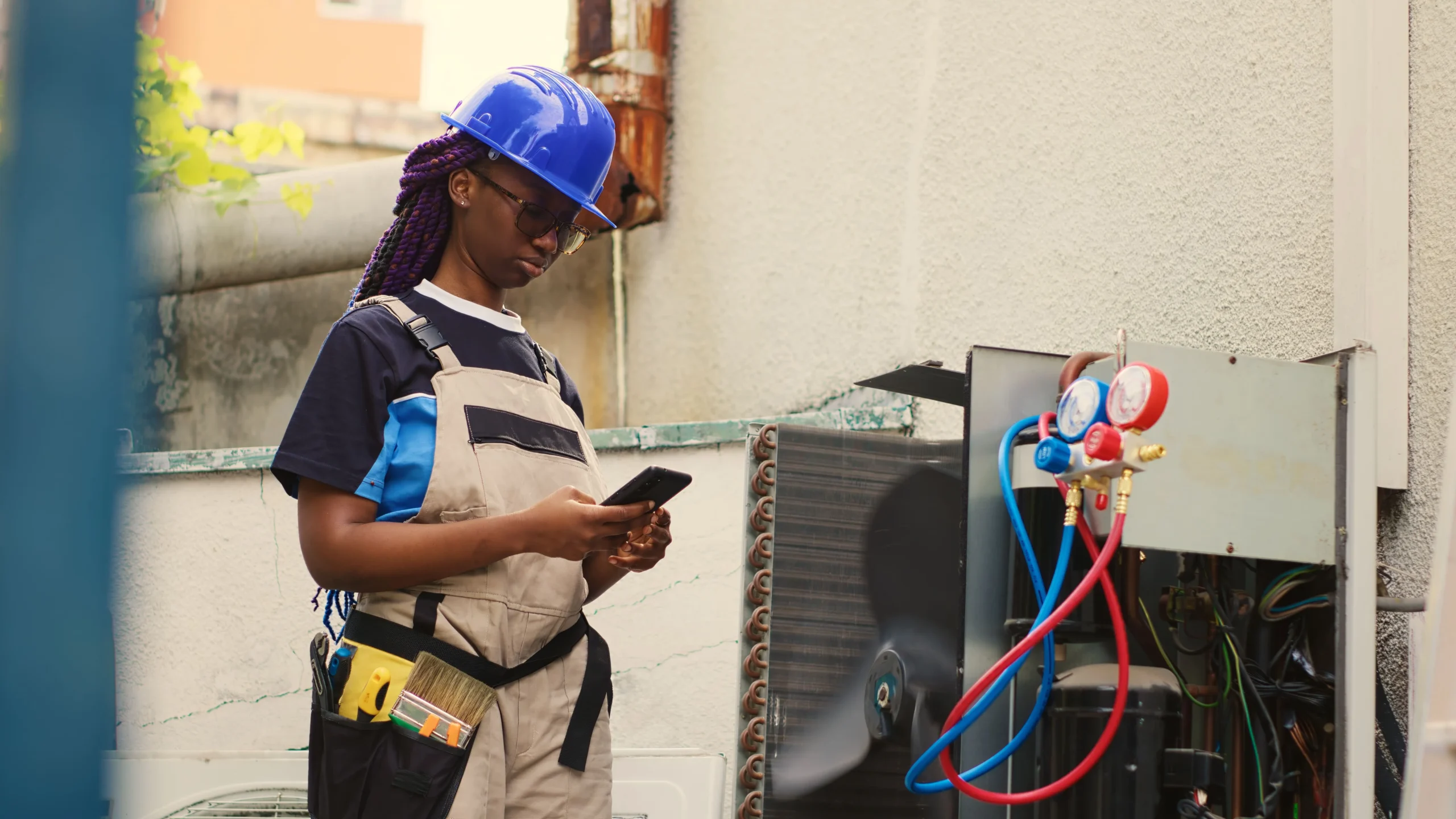
Lifts are another important item people never think about until the lift breaks. A certified maintenance contract with actual technicians costs money every month. If a major part fails, you are looking at a repair bill that can run into millions for the whole building, and that eventually comes back to unit owners one way or another. This is exactly why a sinking fund matters, but we will discuss more on that in a moment.
Common areas and Amenities Maintenance (Cleaning And Utility Bills)
This covers electricity and water covers hallway lighting, the borehole pump, water for shared bathrooms, elevator power. If the building has a borehole, which most premium developments do, the pump runs on electricity. That cost sits in the service charge.
Gym and pool maintenance, cleaning, landscaping, garbage collection, pest control, management fees. All of this adds up to a number that is divided amongst the units catered to.

What about unit size, does it affect the service charge?
This is something a lot of buyers do not know until they compare notes with a neighbor. Service charges in many Nairobi developments are not a flat rate. They are calculated based on your unit size. A larger apartment pays more than a studio in the same building. The logic is that bigger units take up more of the shared resource, though honestly the way it gets calculated varies from estate to estate and some management companies apply it more consistently than others. If you are buying a 3 bedroom unit and your neighbor in a 1 bedroom is comparing notes on service charge, the numbers will be different.
What you should roughly expect to pay
Basic estates in places like Syokimau or Kitengela are usually about Ksh 3,000 to 7,000 a month. You are getting security and basic cleaning.
Mid-range developments in Lower Kabete, Rongai,parts of Riruta and similar areas run Ksh 4,000 to 8,000. More services, maybe a small gym, sometimes limited generator coverage.
Premium apartments in Kilimani, Westlands, Lavington and Kileleshwa the number starts at around Ksh 5,000 and goes to Ksh 20,000 depending on the unit and amenities offers in the project. Full generator backup, professional security firm, gym, pool, lifts, borehole, landscaping and a sinking fund built into the charge.
The newest ultra-luxury developments with concierge, premium gyms, and service contracts priced in dollars are charging Ksh 15,000 to Ksh 25,000 a month per unit.

What is a sinking fund?
Most buyers have never heard of a sinking fund before they buy their first apartment. It is a reserve, usually around 10 to 15 percent of the total monthly charge, that gets set aside for major future repairs. Borehole collapse. Full repainting of the building. Electric fence replacement. Roof work.
When a development has a healthy sinking fund, these things get handled without drama. When there is no sinking fund, which is common in cheaper estates and some older buildings, owners get hit with a special levy when something major breaks. Special levies are not small. Ksh 50,000 per unit for an unexpected borehole repair is not unusual. Sometimes more.
If the development you are looking at has a suspiciously low service charge and a gym and a pool and 24 hour security, ask where the sinking fund sits. The answer will tell you a lot.
What to check before you commit
Ask for the service charge budget breakdown in writing. Not a summary. The actual line items, security, generator, lifts, management fees, sinking fund contribution. If the management company cannot produce this, that is a problem.
Check whether the building holds an AGM and whether accounts get audited. Under the Sectional Properties Act 2020 owners have the right to request audited accounts. A lot of buyers do not know this. If the management has never held an AGM or cannot show audited financials, you are walking into a building where nobody is watching the money.
When you visit the property, look at the pool. If it is green, look at the lights in the parking. If they are broken, look at the guards. If they look like they have been asleep since Tuesday, the service charge is either being mismanaged or it is too low to run the building properly. Either way you should know before you buy.