
Apartment vs Townhouse in Nairobi: Which Is the Better Investment?
Almost everyone we talk to about property investment in Nairobi already has an opinion before they’ve asked the question. They want an apartment but worry they’re missing something. Or they love the idea of a townhouse until someone mentions the yields are thin, and suddenly they’re not so sure.
“Apartment or townhouse in Nairobi” sounds like a property debate. Really it’s a question about what kind of investor you are.
So let’s answer it with numbers.
Where Each One Lives
Apartments cluster where the jobs are: Kilimani, Westlands, Lavington, Riverside, Kileleshwa, Upper Hill. Demand from professionals, couples and corporate relocations runs deep enough that a decent, well-priced unit rarely sits empty for long.
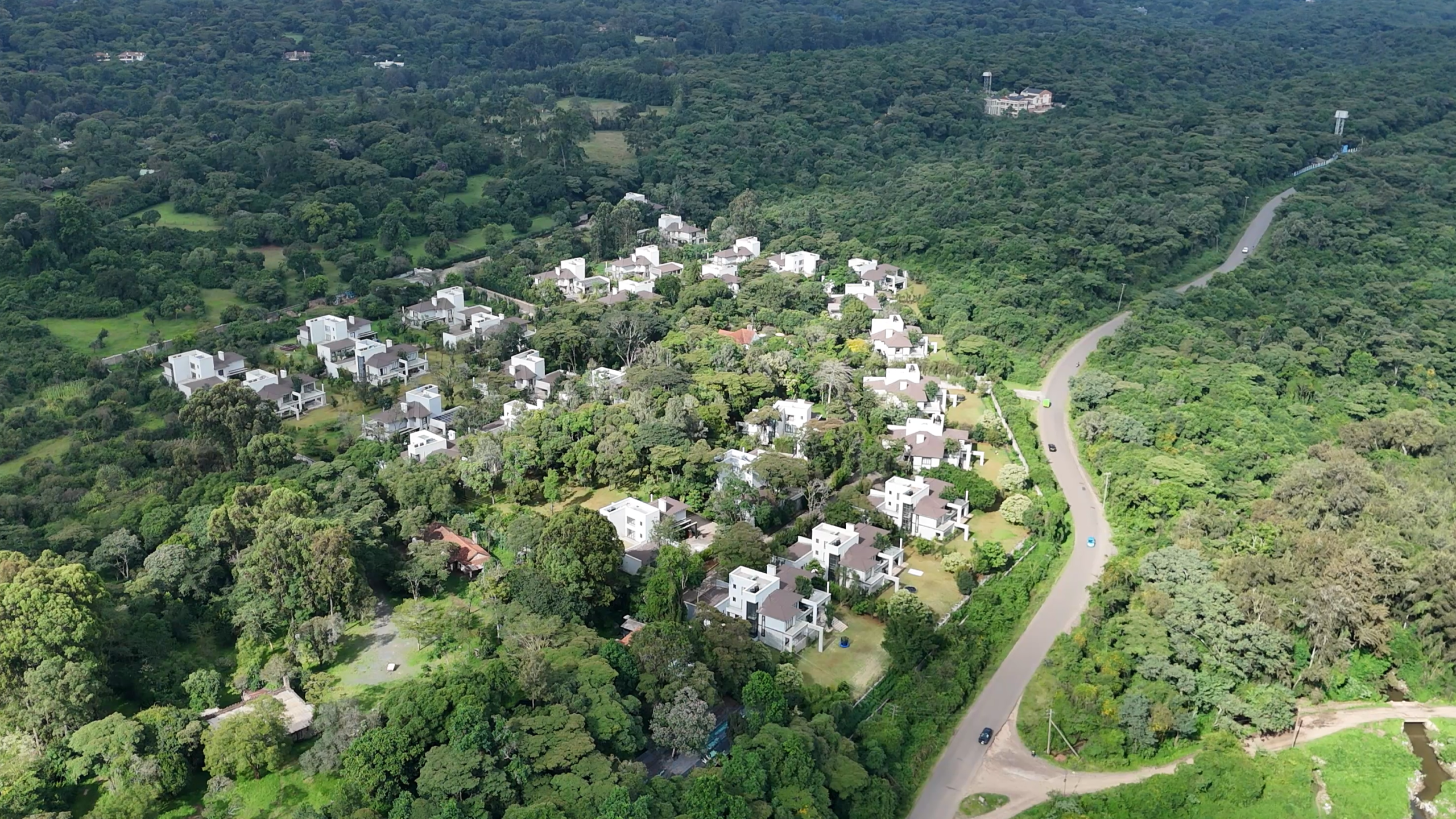
Townhouses live somewhere quieter, usually Karen, Runda, the calmer pockets of Lavington, Loresho, Kitisuru and Nyari. The tenants look different too, more families, expats, embassy staff, executives. People who want a compound and a garden the kids can actually use.
One thing we’ve noticed with diaspora buyers: people who grew up in the UK or the Gulf default to apartments, because that’s what London and Dubai trained them to expect. Americans lean toward a house with land, because that’s home for them. Neither instinct is wrong. Neither is automatically right for Nairobi either.

At a Glance
| Apartments | Townhouses | |
|---|---|---|
| Typical locations | Kilimani, Westlands, Lavington, Kileleshwa | Karen, Runda, Loresho, Kitisuru, Nyari |
| Entry price | KES 8.5M – 30M | KES 75M – 150M+ |
| Typical rent | KES 130,000 (2BR) | KES 300,000 (4BR) |
| Gross yield | 9% – 11% | 5.5% – 7% |
| Time to let | 30 – 60 days | 60 – 120 days |
| Annual maintenance | 2% – 5% of rent | 5% – 9% of rent |
| Who manages upkeep | Building management, via service charge | You: garden, guard, generator, gate, borehole |
| Appreciation driver | Building quality, micro-market demand | Land scarcity in the suburb |
| Best for | Steady income, hands-off ownership | Long-term capital growth, land under the asset |
Apartments win on yield and ease. Townhouses win on land and rent per unit. Which one wins for you depends on what you’re actually optimising for.
What Apartments Yield
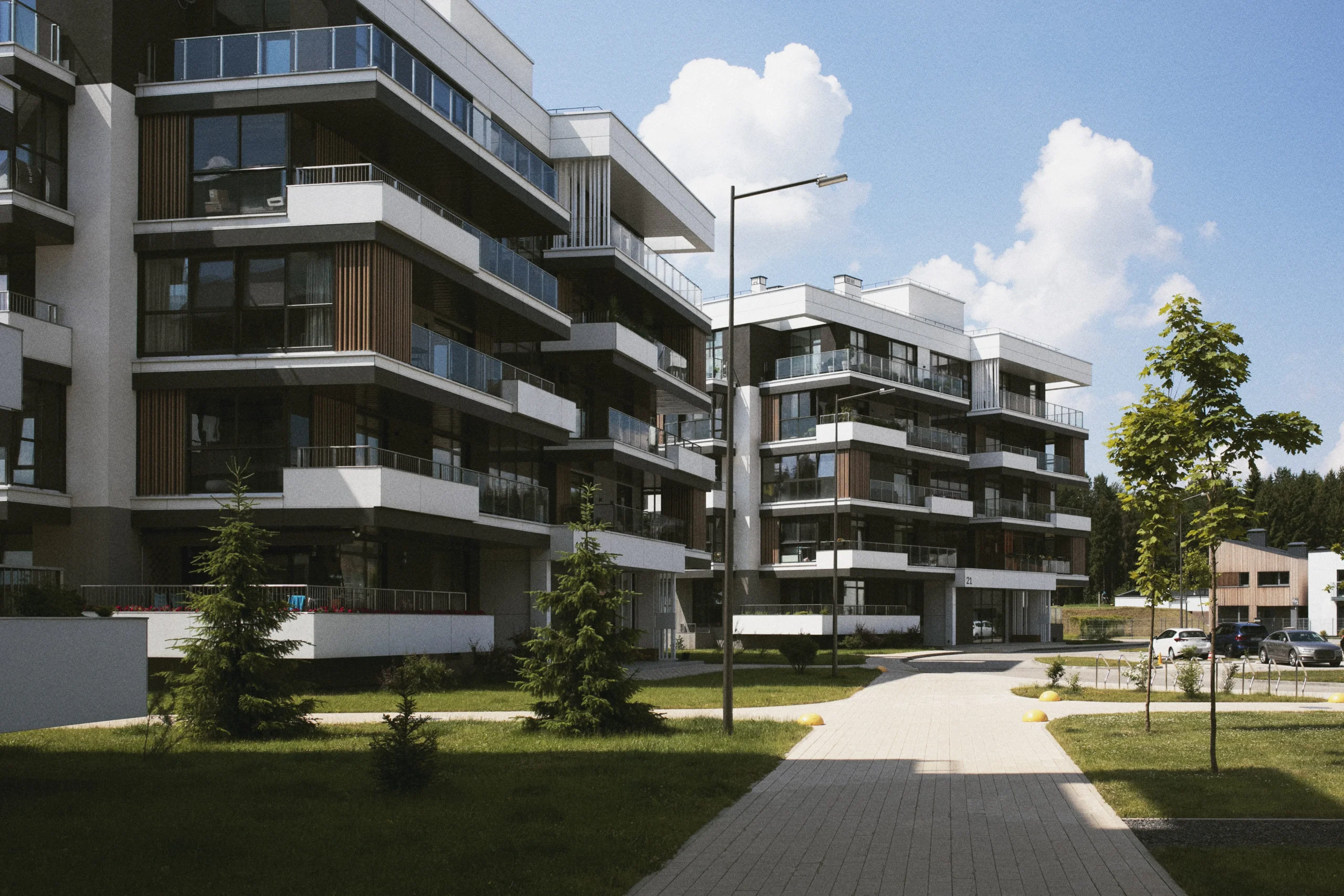
A well-located two-bedroom in Kilimani, Westlands or Lavington rents for KES 85,000–120,000 a month and lets within a month or two. A ready unit runs KES 8.5M–30M. After tax, management and the usual maintenance, net yield lands around 6.5–8%.
Kilimani’s been tracking 7–9% gross. Westlands sits a touch lower, at 6.5–8%.
One and two bedroom units consistently beat three and four bedrooms on yield too. Lower entry price, fastest to let, broadest tenant pool. If yield is the point, a one-bedroom in a decent Kilimani or Westlands building is hard to beat.
What Townhouses Yield
Townhouses in Lavington, Kileleshwa, Karen and Loresho sit between 5.5% and 7% gross. They pull a higher rent in absolute terms, a three-bedroom in Lavington might fetch KES 200,000 against KES 130,000 for a nearby apartment, but the purchase price is so much higher that return on what you actually spent usually favours the apartment.
Vacancy stings more too. A 30-day gap on a KES 130,000 apartment costs you KES 130,000. A 60-day gap on a KES 200,000 townhouse costs KES 400,000, before maintenance even shows up.
But It’s Not Just About Yield
Nobody’s making more land in Karen, Runda or Kitisuru. That scarcity is the whole engine behind long-term appreciation, and apartments simply don’t have it. A townhouse bought in these suburbs ten or fifteen years ago and held has usually seen capital growth an apartment block on resale could never match.
Syokimau and Kitengela tell a similar story on a longer timeline. Slower to let, higher entry cost, but land values climbed as infrastructure caught up.
If you’re playing a ten-to-twenty-year game and care more about long-term wealth than monthly cash in hand, the townhouse case holds up. Just go in knowing the trade: lower yield now for a shot at appreciation later.
The Management Reality
A well-run apartment building takes most of the load off your plate. Service charges cover cleaning, security, water, the generator and the lift. You’re responsible for four walls and not much else, which matters if you’re managing from London or Toronto and don’t want a call at 11pm about a broken borehole.
Townhouses hand every one of those costs to you. The garden, the guard, the generator, the gate motor the day it finally gives up, the pool, the drainage, the exterior paint. Annual maintenance runs 5–9% of gross rent against 2–5% for an apartment, and a bad year with a roof issue and a failed pump gets expensive fast.
Almost every owner we’ve talked to who struggled with a remote townhouse wasn’t tripped up by the property itself. It was the operations. If you’re building a Nairobi portfolio from abroad, apartments scale more cleanly.
One more thing worth checking before you buy into any compound: service charges in established Nairobi estates have climbed 30–60% over the past five years. Read the audited accounts. The reserve fund tells you a lot about what’s coming.
What a Balanced Portfolio Looks Like
Most serious diaspora investors don’t pick one over the other. They end up with both, in an order that made sense for wherever they were in life at the time.
The pattern we see most often:
- Three to five apartments in Kilimani, Westlands or Lavington for steady yield and operations that don’t eat your weekends
- One or two townhouses in Lavington, Kileleshwa or Karen for longer tenancies and capital growth
- Eventually, for some, a villa in Karen or Runda aimed at embassy and international-school tenants
Apartments fund the income that keeps things stable. Townhouses and villas build the wealth that compounds over decades. People who start with a villa before they’ve built up rental income usually find the operational load and yield gap tougher than expected.
None of this is a fixed formula. Your budget, your time horizon and how much headspace you want property taking up in your life all shift where the right starting point is.
FAQs
Is apartment investment in Kenya profitable? Yes, especially in high-demand areas. Well-located apartments in Kilimani, Westlands and Kileleshwa generate gross yields of 7–10%, with net yields around 6.5–8% after tax and management.
Which areas have the best apartment rental yields right now? Kilimani leads at 7–9% gross, Westlands close behind at 6.5–8%. Take these as a rough picture rather than a guarantee, since supply and demand shift.
Do townhouses appreciate faster than apartments? Over a long enough holding period, generally yes, in the established suburbs. Land scarcity in Karen, Runda and Lavington drives appreciation that apartment stock in oversupplied micro-markets can’t match.
How long does it take to rent out an apartment versus a townhouse? Apartments in the urban core typically let within two to six weeks if priced sensibly. Townhouses take two to four months, since the pool of families wanting a three-bedroom gated home is much smaller than the pool of professionals wanting a one- or two-bedroom apartment.
Off-plan or ready apartments? Both work. Off-plan means a lower entry price and often stronger appreciation by handover. Ready units mean immediate income and no construction risk. The developer’s track record matters more than which route you pick.
What are the real risks with apartments in Nairobi? Three worth watching: weak building management dragging down rentability, heavy new supply in Kilimani and Westlands competing with what you already own, and service charges that have climbed sharply over the past five years. Read the accounts before you sign.
The Real Question
The investors who do best in Nairobi property, apartment or townhouse or both, are rarely the ones who found the “right” type. They bought in the right location, understood what they were signing up for operationally, and held on long enough for the asset to do its work.
Maybe it was never really apartment or townhouse. Maybe it was always patience.