

Common Mistakes First-Time Home Buyers Make in Kenya (2026)
Introduction
Buying your first home is a major life decision and a significant financial commitment. Kenya’s property market in 2026 offers many opportunities, but first-time buyers commonly make avoidable mistakes that increase costs, delay occupancy, or create legal exposure. This guide lists the top 10 mistakes, explains why they matter, and gives clear actions to avoid them.
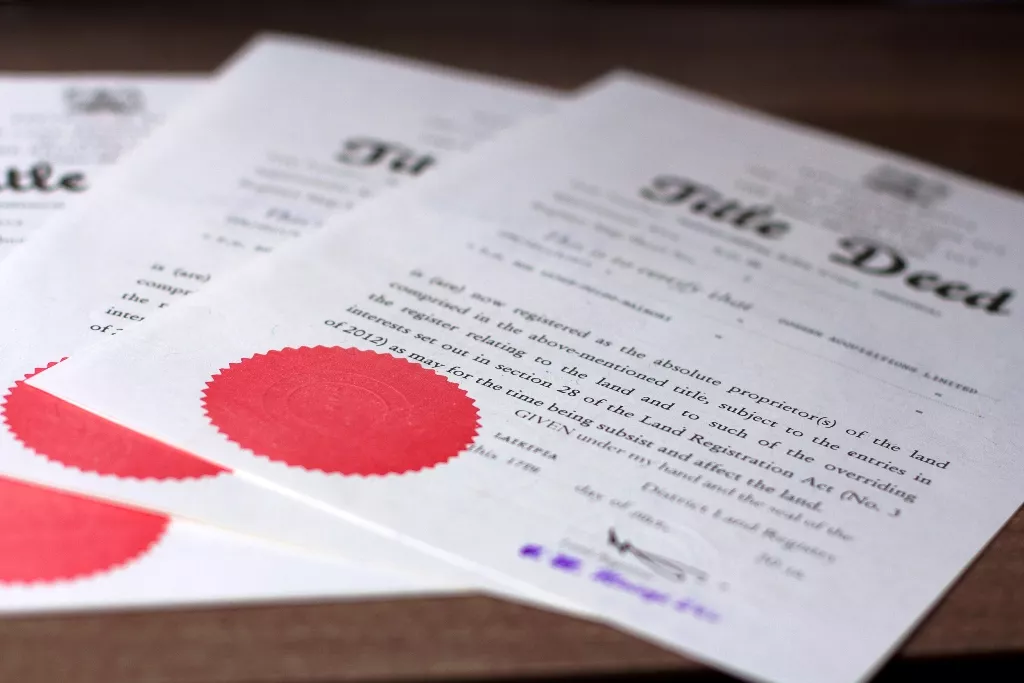
1. Skipping title and ownership verification
Why it matters: Titles and ownership status determine who has legal rights to sell. A property can be tied to mortgages, charges, family disputes, or fraud.
Action: Perform a land/title search through the official channels (Ministry of Lands / eCitizen/Ardhisasa). Ensure the seller’s name on the title matches the ID of the signatory and verify there are no encumbrances or caveats.
2. Ignoring zoning, approvals and permits
Why it matters: County-level zoning and building approvals determine lawful uses of property. Buying a property without the correct approvals can lead to fines, inability to register, or in worst cases, demolition.
Action: Request copies of planning approvals, building permits, NEMA approvals where relevant (for large developments), and evidence that the development has been approved by the county government.
3. Underestimating total transaction and holding costs
Why it matters: The headline price is only part of the cost. Unexpected fees can erode your budget and cash flow.
What to budget for: stamp duty for urban residential properties (standard practice in Kenya is 4% of the property’s value), legal fees (commonly 1–2% of transaction value), valuation fees, transfer/registration charges, and initial maintenance or repairs. Also budget for monthly management/maintenance fees for apartment complexes and county property levies.

4. Skipping structural, electrical and drainage inspections
Why it matters: Visual appeal or developer show units can hide defects — substandard finishes, dampness, poor drainage, or unsafe electrical work. Discovering these after purchase can be costly.
Action: Commission a qualified structural engineer and an electrician to inspect before signing. Get written reports and remedial cost estimates — use these to negotiate or to require repairs before transfer.
5. Relying solely on developer promises
Why it matters: Sales teams may overpromise on finishings, completion dates, or amenities. Not all developers are equally reliable.
Action: Visit previously completed projects by the developer, speak to past buyers, and request documentary evidence of statutory approvals. Where possible, insist on contractual clauses with penalties for late delivery and detailed specifications for finishes.
6. Not clarifying financing terms and total mortgage cost
Why it matters: Mortgage headline rates don’t always show the whole picture. Fees, whether rate is fixed or variable, and penalties can significantly change monthly payments. Central bank trends and commercial bank lending averages inform what typical mortgage pricing looks like, but each lender’s product differs.
Action: Compare mortgage offers, ask for full amortization schedules, confirm whether rates are pegged to CBK base, and check for KMRC-backed products that may offer lower fixed options for qualifying borrowers.
7. Failing to negotiate or to seek buyer-friendly terms
Why it matters: Many buyers accept standard contracts and deposit terms without negotiation. Sellers and developers often expect negotiation.
Action: Negotiate deposit size, payment schedule, what finishes are included, and responsibility for defects discovered at handover. Get any negotiated term written into the sale agreement.

8. Overlooking location fundamentals and infrastructure plans
Why it matters: Location determines demand, rental potential and long-term appreciation. Planned infrastructure (roads, transport links, malls, schools) significantly alters value.
Action: Assess proximity to employment centers, quality schools, medical facilities, shopping, and transport corridors. Check county and national infrastructure plans for proposed improvements in or near the area.
9. Accepting informal documentation or cash-only deals
Why it matters: Informal agreements, verbal promises, or cash receipts without formal sale agreements expose buyers to fraud and make legal recourse difficult.
Action: Always insist on a solicitor-prepared sale agreement, official receipts for payments, and receipts tied to the names on the contract and title.
10. Letting emotion drive the purchase decision
Why it matters: First-time buyers can be swayed by model units, high-pressure sales or aesthetic appeal rather than fundamentals. Emotion-driven purchases can miss critical legal or structural issues.
Action: Use a checklist (title, approvals, inspection, financing, total cost) and involve an independent advisor to keep the decision objective.
Final checklist (quick):
- Title search completed and verified.
- County approvals & NEMA (if applicable) in place.
- Professional inspections done.
- Full cost breakdown (stamp duty, legal, valuation, maintenance) prepared.
- Mortgage terms and amortization schedule reviewed.
- Sale agreement reviewed by lawyer and signed.
Conclusion
First-time buyers who follow the checks above will substantially reduce their risk and position themselves for a secure ownership experience. Careful legal checks, professional inspections, and mindful budgeting are the difference between a good purchase and an expensive mistake.