
Do Building Collapses Affect Property Values and Insurance in Kenya?
Key Takeaways
Kenya has had a run of building collapses in 2026, and many people are asking how that affects property values and insurance. Construction insurance, approvals and the lender’s checks all matter more than most buyers realise. Paperwork can give false comfort, and one mix-up over a policy can leave an owner with a huge loss. If you’re buying, renting or building, verify the approvals and find out exactly what your insurance covers.
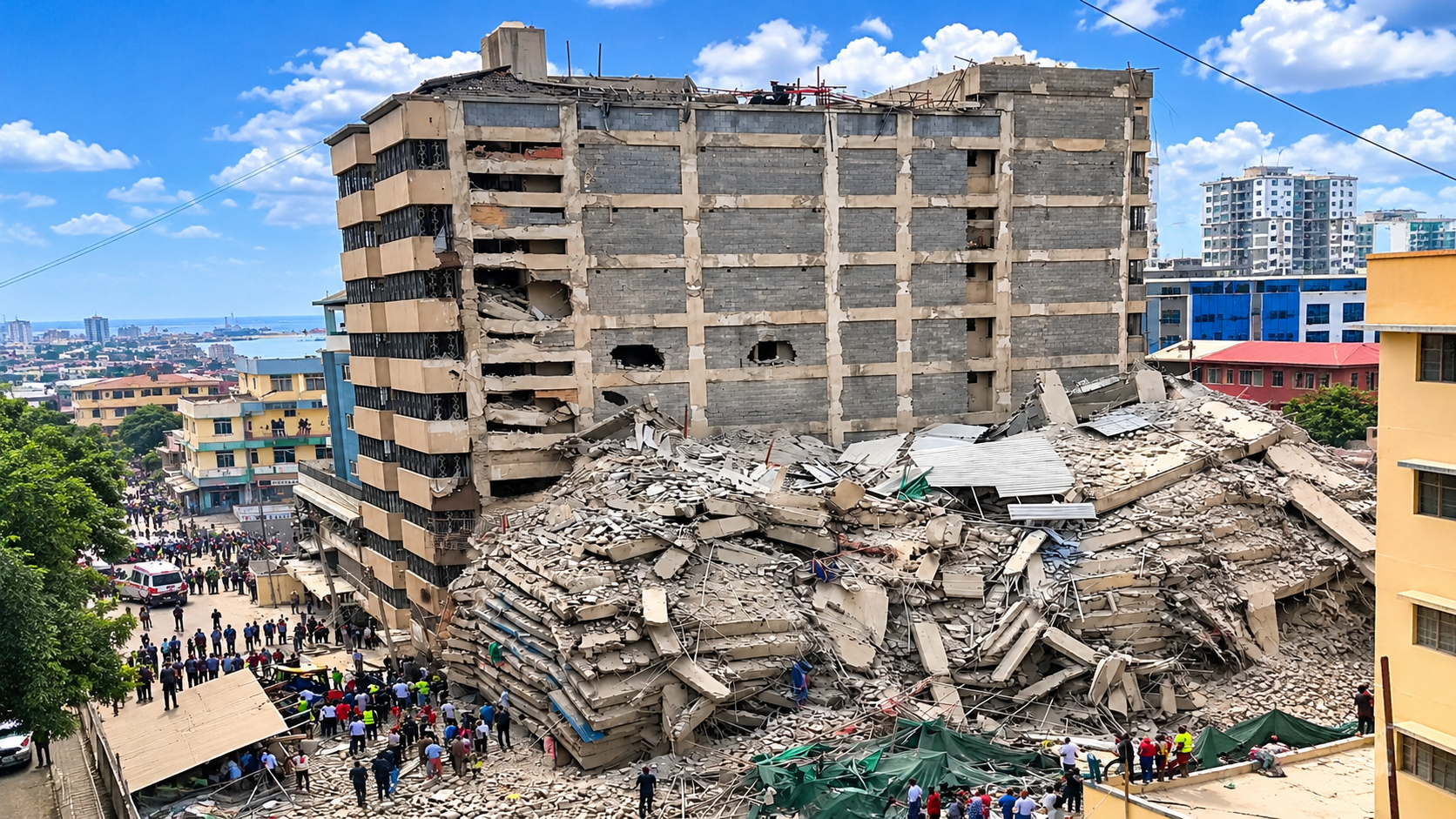
After South C, Karen and now Eastleigh, property people keep asking the same thing: does this change what buildings are worth, and who pays when something goes wrong? We looked for evidence, and some of it is thinner than you’d expect.
Do building collapses lower property values in Kenya?
We found no Kenyan study or valuer’s report showing that collapses push down nearby prices or rents. Apartment prices did slip, about 3% in the year to March, but the reporting blamed oversupply that is hurting investors’ returns, not safety fears.
For one building, though, the effect is direct. A structure found unsafe can be evacuated, stopped or demolished, and the owner loses its value overnight. It also seems likely that buyers and tenants will be pickier about buildings with no paper trail. That’s a guess, not a measured trend, so don’t treat it as fact.
What is Construction All Risks (CAR) insurance in Kenya?
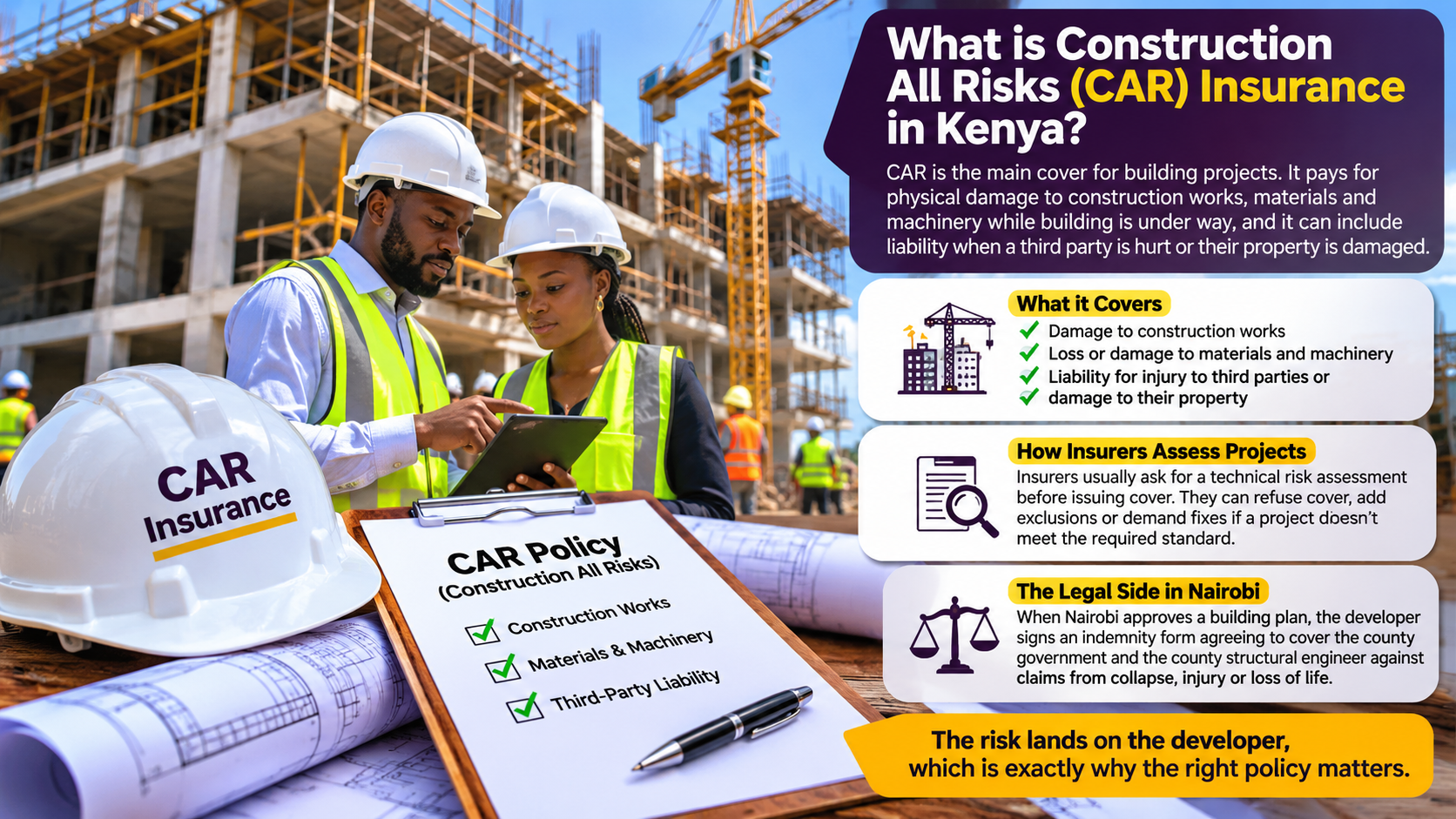
CAR is the main cover for building projects. It pays for physical damage to construction works, materials and machinery while building is under way, and it can include liability when a third party is hurt or their property is damaged.
Insurers also screen projects. A Minet Kenya risk executive wrote in Business Daily that before issuing cover like CAR or public liability, insurers usually ask for a technical risk assessment, and can refuse cover, add exclusions or demand fixes if a project doesn’t meet the standard. In theory, that gives developers a money reason to follow the approved design.
There’s a legal side too. Capital FM reported that when Nairobi approves a building plan, the developer signs an indemnity form agreeing to cover the county government and the county structural engineer against claims from collapse, injury or loss of life. The risk lands on the developer, which is exactly why the right policy matters.
Does insurance cover a collapsed building in Kenya?
Not always, and a case from Mombasa shows how it can go wrong. A building owner said he lost Sh103 million when his building collapsed, and the dispute at the Court of Appeal turned on whether his policy was fire and allied perils instead of contractor’s all risks cover. The bank and its agent said he’d been offered both quotes and picked one. We’re describing the arguments here, not the ruling, but the lesson stands. A policy can sound comprehensive and still not pay out for a structural failure.
Eastleigh collapse: does NCA registration mean a building is safe?
Not necessarily. After the Eastleigh collapse on October 23, the National Construction Authority said the project was registered with it on July 30, 2025. It added that four quality assurance inspections were done during construction and accepted at the time, and that it hasn’t established that any party was responsible. Nairobi’s governor, meanwhile, said the building had no occupation certificate, and other reports raised questions about its approvals. The DPP has ordered a criminal probe, and the cause hasn’t been determined.
We’re not assigning blame. But “registered” and “inspected” are not the same as “safe,” so find out which documents a building really has and what each one proves.
Checklist: how to check a building is safe and properly insured in Kenya
- Ask for the full paper trail: approved plans, NCA registration, county approval, occupation certificate and any structural report.
- Compare the building with the approved plan. Extra floors nobody approved are a warning sign.
- Find out which type of policy covers the project, whether CAR, fire and allied perils or something else, and what it excludes.
- Ask the insurer in writing whether structural failure is covered.
- If you’re borrowing, ask the lender whether it wants a structural report or compliance notes with the valuation.
- For off-plan, confirm the project has valid cover and that your deposit is protected.
- Keep copies of every document and policy schedule.
Building Standards and Control Bill 2025: what could change
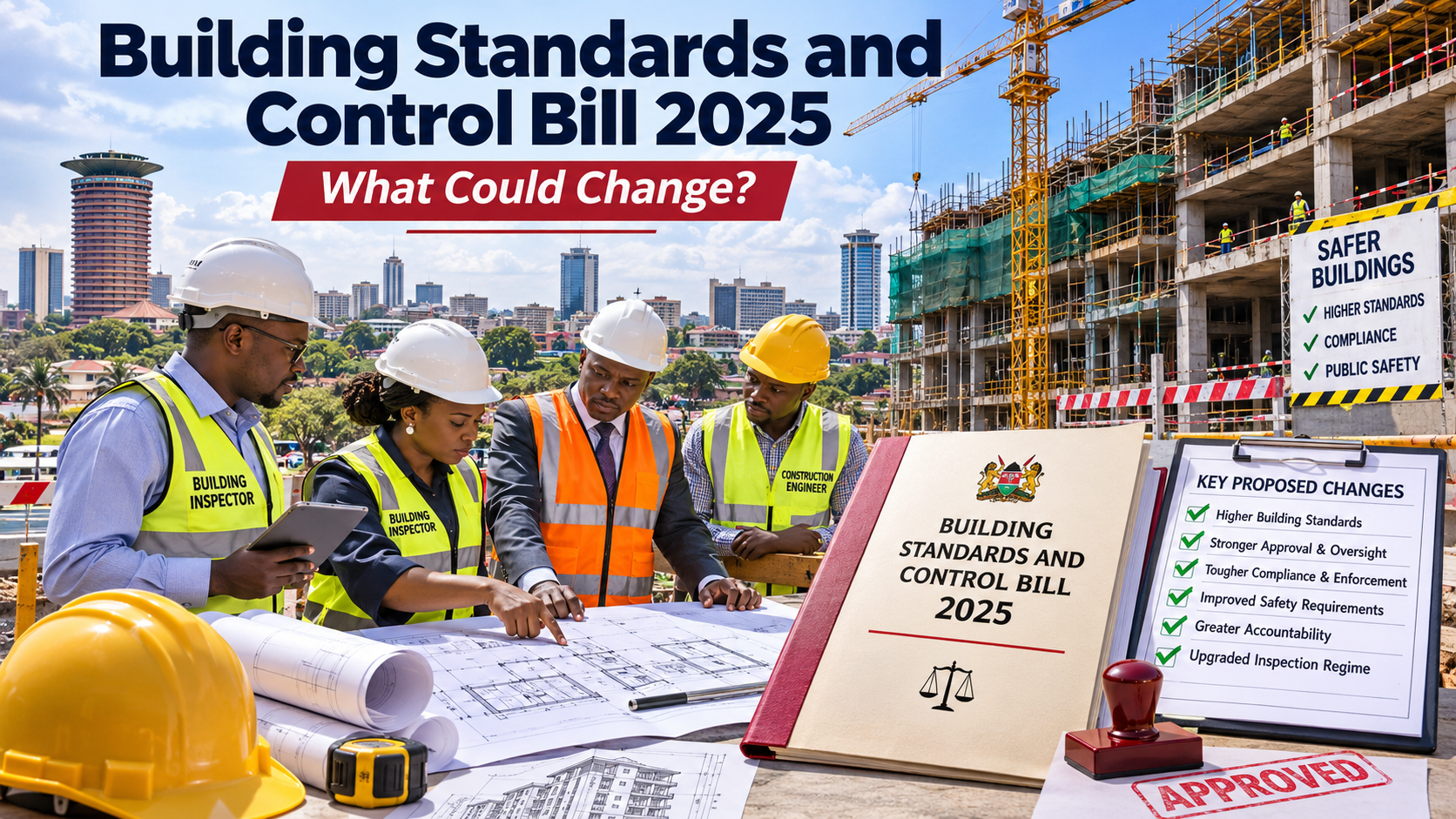
Rules may tighten. The government is working on the Building Standards and Control Bill, 2025, alongside a review of the National Construction Authority Act, both aimed at stronger oversight. Whether insurers raise premiums or banks change their lending rules after this year’s collapses remains to be seen, and both are worth watching, along with any valuation data from affected areas.
The bottom line
Claims that collapses move prices are still guesswork. What’s certain is that a building without proper approvals and the right insurance is a risk for everyone connected to it. Check the paperwork, confirm what a policy covers, and you’re better protected whatever the market does.